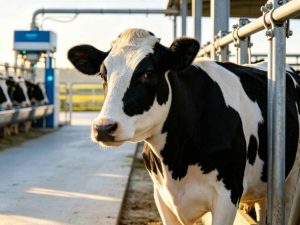

How to Use Animal Marking Crayons for Livestock Identification
Introduction
Efficient livestock management depends on clear and reliable identification. On modern farms, workers need a fast way to sort animals, monitor breeding activity, track treatments, and organize daily operations. That is why many producers continue to rely on Animal Marking Crayons as a practical solution for temporary and visible marking.Although electronic tags and digital records are now common, visual marking still plays an important role in everyday farm work. A quick mark on an animal can instantly communicate information to everyone working in the yard, barn, or pasture.
Today, farmers use different tools such as animal marking sticks, livestock paint sticks, heat detection crayons, and cattle tail chalk to improve herd organization and breeding observation. These products remain some of the most effective farm animal identification tools because they are affordable, easy to use, and highly visible.
n this article, you will learn how to use animal marking pens correctly, when to choose other marking products, and how these tools can help better identify livestock and conduct breeding management.
What Are Animal Marking Crayons?
A Simple Tool for Everyday Livestock Management
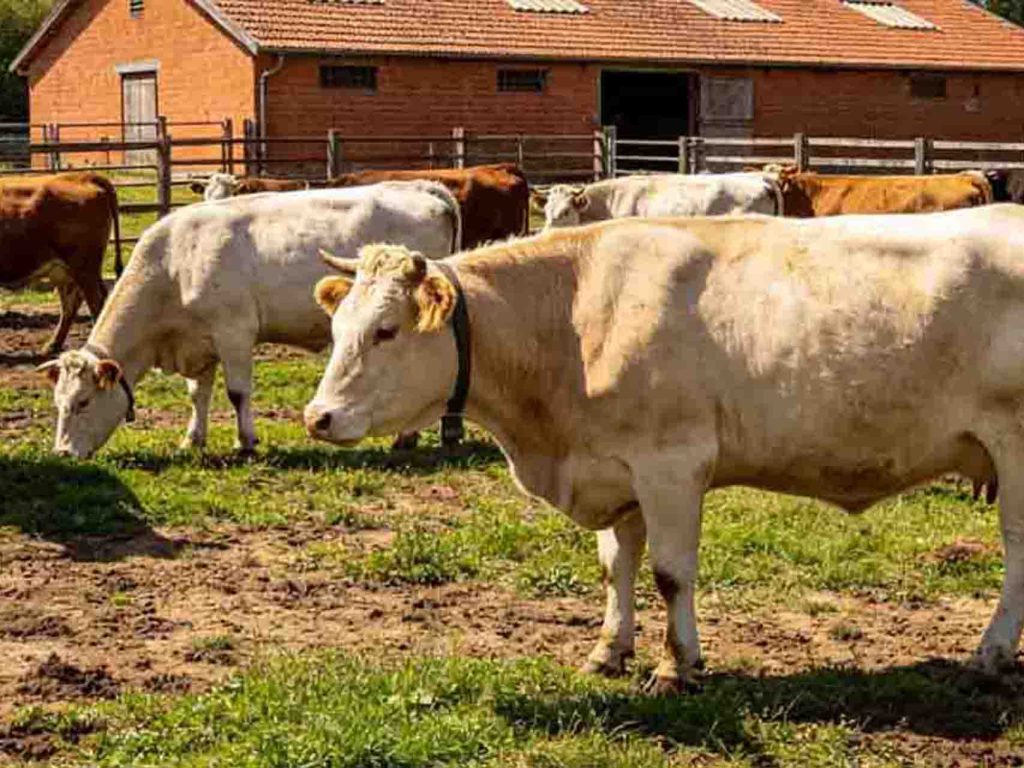
Animal Marking Crayons are specially designed wax-based marking products used to place temporary visible marks on livestock. Farmers commonly use them on cattle, sheep, pigs, and goats for sorting, treatment tracking, and breeding observation.Unlike permanent identification methods such as ear tags or branding, crayons provide temporary marks that can be changed easily as farm conditions change.
Common Uses of Animal Marking Crayons
Farmers use Animal Marking Crayons for several daily tasks, including:-Temporary livestock identification
-Group sorting and pen organization
-Medical treatment tracking
-Breeding observation
-Shipment preparation
-Heat detection monitoring
Animal Marking Crayons vs Other Marking Products
Different farms use different marking systems depending on weather conditions, animal type, and management goals.Animal marking sticks are commonly used for fast and bold identification marks.
Livestock paint sticks usually create thicker and longer-lasting markings.
Heat detection crayons are designed specifically for breeding observation.
Each tool serves a slightly different purpose, but all contribute to more efficient livestock identification.
Why Livestock Identification Is Important?
Better Organization on the Farm
Clear identification helps workers quickly separate animals into groups based on age, treatment status, breeding stage, or transport needs. This improves efficiency and reduces handling mistakes.Without a reliable marking system, farm operations can become disorganized, especially when managing large herds.
Improved Animal Health Tracking
Many producers use Animal Marking Crayons to identify animals that need medical attention or follow-up care. Temporary markings make it easier for workers to recognize treated animals immediately.This helps reduce medication errors and improves overall herd management.Faster Breeding Observation
Breeding management is another major reason farmers use visual marking products. Products such as heat detection crayons and cattle tail chalk help identify cows showing signs of heat activity.As practical breeding management tools for cattle, these products simplify observation and reduce missed breeding opportunities.
How to Use Animal Marking Crayons Correctly?
Step 1: Restrain the Animal Safely
Before applying any mark, make sure the animal is calm and properly restrained. Safe handling improves both worker safety and marking accuracy.Animals that move excessively may receive unclear or misplaced marks.
Best Handling Tips
Use proper livestock handling equipment
Avoid loud noises and sudden movements
Work in a calm environment whenever possible
Good handling practices improve the effectiveness of all farm animal identification tools..
Step 2: Choose the Right Marking Location
General identification :Back or shoulderBreeding observation :Tailhead or rump
Medical tracking :Side or flank
Sorting groups:Upper back
For breeding programs, many farms apply cattle tail chalk or heat detection crayons near the tailhead because rubbing activity becomes easier to observe.
Step 3: Apply the Mark Clearly
Hold the crayon firmly and apply a visible line using even pressure. The mark should be large enough to recognize from a distance without covering too much of the animal.Tips for Better Visibility:
-Apply marks on dry hair whenever possible
-Reapply faded marks when needed
-Use bright colors for outdoor conditions
-Avoid marking dirty or muddy areas
Clean and consistent markings improve overall livestock identification efficiency.
Common Mistakes and How to Avoid Them
Using the Wrong Product
Not all marking tools are suitable for all situations. Using the correct product can improve marking effectiveness. For example:Heat detection crayons are designed for breeding observation
Livestock paint sticks are better for long-term visibility
Animal Marking Crayons work well for general temporary marking
Poor Mark Placement
Marks placed too low or in high-friction areas may disappear quickly. Always choose visible locations that are less likely to rub off immediately.Why Farms Still Use Traditional Marking Tools?
Even with advanced technology available, visual marking products remain essential on many farms.Fast and Practical
Workers can identify animals immediately without scanning electronic devices.Affordable
Compared to digital systems, Animal Marking Crayons and animal marking sticks are inexpensive and easy to replace.Reliable in Daily Operations
In muddy, dusty, or remote conditions, traditional visual marking often remains the fastest solution for temporary identification.That is why many producers continue using these dependable farm animal identification tools alongside modern herd management systems.
Conclusion
Using Animal Marking Crayons correctly can improve farm organization, simplify breeding observation, and support efficient herd management. Whether used for temporary sorting, treatment tracking, or heat detection, these products continue to play an important role in modern agriculture.Combined with products like animal marking sticks, livestock paint sticks, heat detection crayons, and cattle tail chalk, farmers can create a practical and flexible livestock identification system that fits their daily operations.
For producers looking for simple and effective breeding management tools for cattle, visual marking systems remain one of the most reliable options available.
Frequently Asked Questions
Are Animal Marking Crayons safe for cattle?
Yes. Most products are designed specifically for livestock use and are safe when applied properly.How long do livestock paint sticks last?
The visibility depends on weather, coat condition, and animal activity, but many marks remain visible for several days.Which farm animal identification tools are best for breeding management?
Many farms combine animal marking crayons,tail marking sticks, and visual observation as effective tools for cattle reproductive management.Get the best quote and sample information.
Fill out the form to get sample information or inquire for more information.