
How to Use Animal Marking Crayons for Livestock Identification?
Introduction
Breeding season is one of the most important periods in livestock production. Whether managing dairy cows, beef cattle, sheep, goats, or pigs, farmers need accurate information to identify animals that are in heat, organize breeding groups, and improve herd management throughout the breeding season. Missing the right breeding window can reduce conception rates, increase production costs, and delay herd improvement.One of the simplest yet most effective tools used on farms is the animal marking crayon. These durable wax-based markers make it easy to identify animals, monitor breeding activity, and organize herd records without expensive electronic equipment. Today, livestock marking crayons remain a trusted solution for farms of all sizes because they are reliable, affordable, weather-resistant, and easy to use.
Why Animal Marking Crayons Matter During Breeding Season?
Successful breeding depends on timely heat detection and accurate animal identification. Livestock often show breeding behavior for only a short period, making careful observation essential for successful reproduction.An animal marking crayon allows farmers to quickly recognize breeding activity, identify animals requiring attention, and organize breeding groups using different colors. Bright, highly visible markings help workers monitor large herds more efficiently while reducing identification errors during busy breeding periods.
Unlike spray paint or temporary dyes, high-quality livestock marking crayons provide long-lasting visibility under normal farm conditions while remaining simple to apply and safe for everyday livestock management.
Common Applications on Livestock Farms
Dairy farms, beef operations, sheep farms, goat farms, and pig breeding facilities all use animal marking crayons to improve breeding management and daily herd operations. Depending on the species, the crayons may be used for heat detection, temporary identification, grouping animals, or recording breeding progress.Common applications include:
-Marking animals showing signs of estrus.
-Identifying livestock scheduled for natural breeding or artificial insemination.
-Separating breeding groups using different crayon colors.
-Recording breeding dates during routine herd inspections.
-Identifying animals that require pregnancy checks or follow-up observation.
-Managing sow and gilt breeding groups on commercial pig farms.
-Marking animals that have received veterinary treatment or reproductive examinations.
Many farms establish a simple color-coding system. For example, yellow may indicate animals ready for breeding, blue may identify animals that have already been inseminated, while red can highlight livestock requiring additional observation. This organized system helps improve communication between farm workers and reduces management mistakes.
Supporting Heat Detection
Accurate heat detection plays a critical role in successful breeding programs for cattle, sheep, goats, and pigs. Although breeding behavior differs among species, temporary visual markings help farmers recognize reproductive activity more efficiently.On cattle farms, cattle marking crayons are commonly applied near the tail head. When another cow mounts the marked animal, the wax becomes rubbed away or visibly disturbed, providing a clear indication that mounting activity has occurred. This helps farmers determine the best time for artificial insemination or natural breeding.
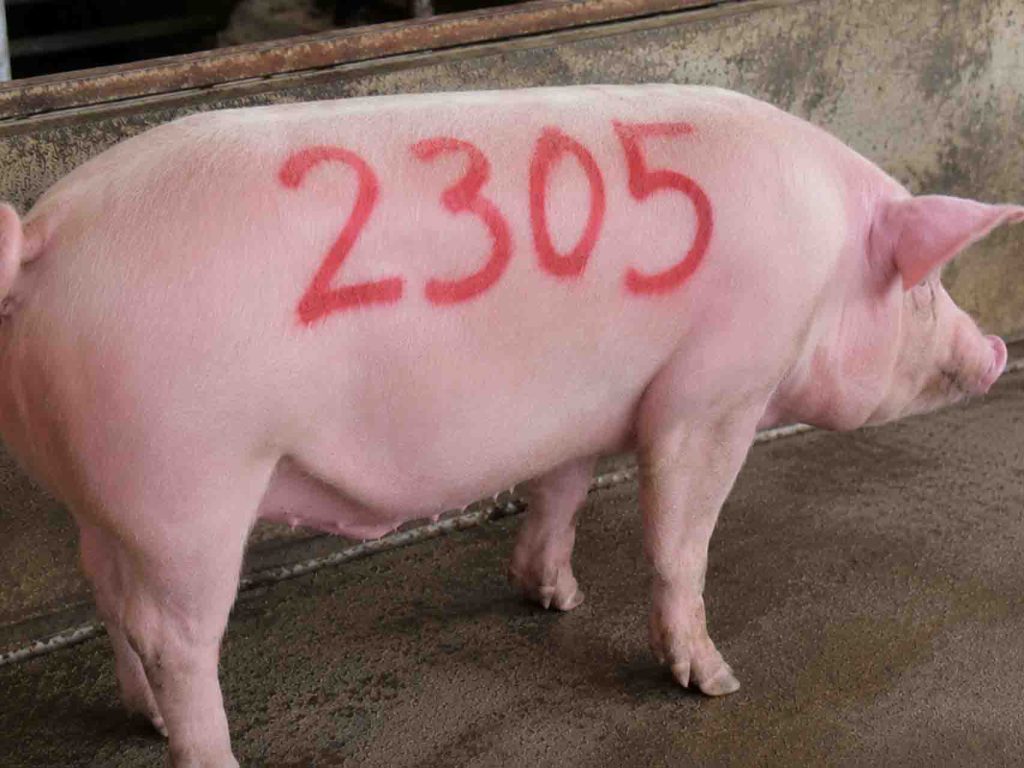
On pig farms, pig marking crayons are more commonly used to identify sows that have been inseminated, sorted into breeding groups, or scheduled for reproductive management. Rather than relying on tail-rub indicators, pig producers often use the markings to simplify daily breeding records and improve breeding workflow.
Even as automated monitoring systems become more common, many producers continue using animal marking crayons because they require no batteries, software, or technical maintenance. They also provide a reliable visual backup alongside electronic heat detection systems.
Improving Livestock Identification
Beyond breeding management, livestock identification is another important advantage of using marking crayons.During breeding season, workers frequently perform health checks, vaccinations, pregnancy diagnosis, weight monitoring, and reproductive examinations. Temporary markings allow cattle, sheep, goats, and pigs to be identified instantly without permanent tagging or branding.
Because the wax gradually wears away over time, farmers can easily update animal status as breeding progresses. This flexibility is especially valuable for farms managing hundreds or even thousands of animals.
Choosing the Right Animal Marking Crayon
Whether used for cattle, sheep, goats, or pigs, selecting the right animal marking crayon depends on the farming environment and management system.When choosing a product, farmers should consider:
-Weather resistance
-Color visibility
-Coat or hair type
-Desired marking duration
-Ease of application
-Non-toxic ingredients
-Durability during outdoor grazing
Bright colors such as yellow, orange, green, blue, and red are commonly selected because they remain visible under different lighting conditions. A high-quality livestock marking crayon should deliver consistent color transfer while resisting cracking, breaking, or excessive melting during regular farm use.
Best Practices for Better Results
To maximize performance during breeding season, farmers should follow several simple practices.Apply the crayon to a clean, dry area whenever possible to improve adhesion. Inspect markings regularly and reapply them if heavy rain, mud, or frequent animal contact causes excessive wear.
Using standardized colors throughout the breeding program also improves communication among employees. Every worker can quickly recognize the breeding status of an animal without checking written records.
Finally, combine animal marking crayons with accurate breeding records. Recording insemination dates, pregnancy checks, veterinary treatments, and reproductive performance provides valuable information for improving future breeding efficiency.
Conclusion
Efficient breeding management relies on accurate observation, clear identification, and timely decision-making. An animal marking crayon provides farmers with a practical and economical solution for monitoring breeding activity, improving livestock identification, and supporting reproductive management throughout the breeding season.Whether used on dairy farms, beef operations, sheep flocks, goat farms, or commercial pig breeding facilities, animal marking crayons remain one of the most dependable tools for temporary livestock identification. Combined with accurate record keeping and effective herd management practices, high-quality livestock marking crayons help farmers improve breeding efficiency, reduce management errors, and support healthier, more productive herds year after year.
Get the best quote and sample information.
Fill out the form to get sample information or inquire for more information.